




Back training – your way to a strong and healthy back
A strong back workout strengthens the muscles and improves the stability of the spine.
Back pain is one of the most common health complaints in Switzerland – four out of five adults suffer from it at some point in their lives. Back training is therefore practically a must for many: It helps prevent one of the most common ailments and relieves existing pain. According to a survey by the Swiss Rheumatism League, 50 % of the population suffers from back pain several times a month or week. The good news: One of the best methods for prevention and treatment has long been known – strengthening the back muscles . Regular back training promotes an upright posture, relieves pressure on the spine, and thus prevents poor posture and disc problems. In short: With targeted back training, you lay the foundation for a healthy back and a better quality of life in everyday life!
Back training against back pain: VIDEO 📹
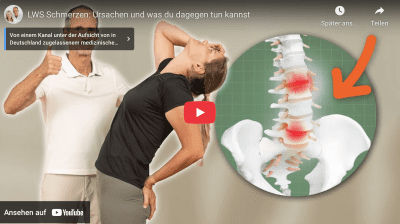
Thank you Roland for this helpful video.
Why is back training important? 💡
Back training is far more than a trend—it's essential for your health and well-being. A strong, flexible back forms the foundation of our musculoskeletal system. In everyday life, our spine is subjected to a lot of stress, whether from long periods of sitting in the office, heavy lifting, or stress. Without balance, tension and pain can develop. Targeted back training counteracts this and offers tangible benefits:
- Pain prevention and health: Regular back training reduces the risk of tension, disc problems, and chronic pain. Doctors strongly recommend staying active if you have back pain, as prolonged rest does more harm than good. Strong back muscles stabilize and relieve pressure on the spine, significantly reducing the chance of back pain.
- More strength in everyday life: A strong back makes many daily activities easier. Whether you're carrying groceries, lifting children, or working in the garden – with trained core muscles, physical exertion is easier. A healthy, strong back increases your performance and helps prevent injuries from spontaneous movements (e.g., a slip).
- Better posture and mobility: Poor posture such as a hunched or hollow back often results from muscular imbalances. Back training strengthens all areas of the back , including the abdominal muscles, leading to an upright posture. At the same time, stretching and mobilization exercises ensure a more flexible, less stiff back . You automatically stand and sit more ergonomically, preventing wear and tear and lower back pain .
- Positive mental health & stress reduction: Body and mind are closely connected. Eight out of ten people report that their pain worsens when they are feeling unwell mentally. Conversely, a fit body can boost your mood. Regular exercise—even a short workout—releases endorphins, reduces stress, and increases self-confidence. You feel more resilient in everyday life. A pain-free, strong back reduces fears of exercise and noticeably improves your quality of life.
What is trained during back training? 🏋️
Versatile exercises for the back target deep muscles, surface muscles and also the abdominal muscles.
Effective back training strengthens the entire torso . Our back muscles consist of around 150 large and small muscles connected by ligaments and tendons. These muscle layers—from the surface to deep along the spine—only work optimally when they work together. The deep, native muscles along the spine are particularly crucial for a pain-free back . Therefore, a varied back workout always includes several components:
- Strengthening exercises: These are the core of back training. Targeted strength training (e.g., rowing , deadlifts , lat pulldowns , back extensions on a machine, or Superman exercises on the mat) strengthens the back and abdominal muscles. Strong muscles provide support for the back and relieve pressure on intervertebral discs and joints. Proper execution is important to avoid overloading.
- Mobilization and stretching exercises: Flexibility exercises ensure a supple, flexible back. Mobilization means gently moving the joints and spine – for example, with shoulder circles or pelvic circles. Such exercises increase synovial fluid and relax the muscles. Stretching exercises for the chest, neck, and lower back muscles should also be included to counteract shortening caused by prolonged sitting.
- Coordination and balance: Effective back training also includes exercises for stability and body awareness . These include, for example, one-legged standing exercises, balance training on unstable surfaces (such as a balance cushion), or slow movement sequences (such as yoga or Pilates elements). These challenge the deep core muscles, which often do not respond adequately to normal strength stimuli alone. The result: Your postural control improves, and you move more consciously and with less strain on your back.
- Exercises for everyday life: A good personal trainer will also show you back exercises that you can easily incorporate into your daily routine. These include, for example, short back workouts for the office : simple office exercises at your desk, standing up regularly, pulling your shoulder blades together, or a short squat while standing. These mini workouts mobilize the spine in between activities and prevent tension from developing in the office.
The goals of back training are therefore diverse : increased muscle strength and endurance, greater mobility, improved coordination, and automated back-friendly behavior in everyday life. Depending on the individual's initial condition, the focus will vary—this is where the personal trainer comes in.
Why back training with a personal trainer? 👨💼💪
A personal coach makes your back training more effective, safer and more motivating.
Of course, you can train your back on your own. But professional back training under the guidance of a qualified personal trainer offers decisive advantages:
- Individual planning: Every back is different. A personal trainer will create a customized training plan , tailored to your goals, fitness level, and any existing problems. If, for example, you suffer from chronic tension or need back training for a herniated disc , the program will be adjusted accordingly. Back training is useful for both prevention and rehabilitation, for example, after a herniated disc – your trainer knows exactly which exercises are suitable for you and which to avoid. This personal attention maximizes the benefits and minimizes the risk of overexertion.
- Safety & Health: Proper technique is crucial, especially when training your back. A coach will ensure that you perform exercises correctly , maintain proper posture, and avoid arching your back. They will correct any poor posture immediately, thus protecting you from injury. They can also respond to warning signs (such as pain) and adjust your training immediately. This gives you the confidence that you're training healthily and effectively at all times—an invaluable asset that comes with professional back training support.
- Motivation & Perseverance: A good personal trainer is not only an expert but also a motivator . They provide friendly support, challenge you just right, and celebrate successes with you. This motivational boost helps you stick with it enormously. On days when your inner demons get the better of you, your trainer will ensure that you still complete your workout – and feel proud of yourself afterward. A regular appointment with your trainer creates a sense of commitment. This turns occasional training into a routine that leads to real progress.
- Expertise & variety: There are many back exercises – but which ones are truly beneficial ? Your trainer has up-to-date expertise in anatomy, training theory, and possibly rehabilitation. They can dispel myths (see below) and give you sound advice. They also ensure variety : Instead of doing the same exercises over and over again, you'll learn a variety of methods (with equipment, on the mat, with small devices like therapy bands, etc.). This increases the fun and the training effect. In short: With a professional at your side, your back training will not only be more effective , but also more varied.
Training formats: Individual, group, studio, or outdoor? 🌳🏢💼
Personal back training is flexible and tailored to your preferences and capabilities. Here's an overview of some common training formats and locations :
- Individual training: Typically, a personal trainer works with you one-on-one . This personalized support can take place at the gym—many trainers partner with studios or bring you along as a guest. Training at home is also possible: The coach will come with small equipment or simply use your body weight for effective back exercises. Even outdoor back training in a park is possible, for example, using natural benches for stabilization exercises or a mat on the grass. The advantage: The trainer can concentrate fully on you and adapt the program spontaneously to your current condition.
- Group training: Some personal trainers also offer small group training , for example, for couples, friends, or companies. One example is back training for the office as part of corporate health management: Here, the trainer comes to the company and does exercises with employees during their lunch break to prevent back problems from prolonged sitting. In small groups (often 3-5 people), the level of personal attention remains high, but the per-person costs are lower. In addition, training together is extra fun for many and promotes team spirit.
- Classes and back training: Fitness centers or physiotherapists often offer back training courses led by trainers or physiotherapists. These courses (usually with 6-10 participants) are structured programs lasting several weeks and, in addition to exercises, teach knowledge about back-friendly behavior. A personal trainer can introduce you to such courses or organize group workouts yourself. The advantage: The dynamic of the group is motivating – but make sure the instructor is responsive to individual needs.
- Training locations and equipment: Whether in a high-tech gym or in your living room – good back training works everywhere. In the studio, machines (e.g. back circuit machines), free weights, cable pulleys and more are available, allowing for a huge variety of exercises. At home, a trainer can achieve a lot with minimal equipment: Therabands , exercise balls , kettlebells or simply mat exercises. Outdoors, there are trim trails or calisthenics parks, for example. The important thing is that you feel comfortable where you train. Your trainer will choose the location or prepare it so that you can train optimally – whether in the fresh air for extra oxygen or in familiar surroundings without spectators.
Common myths & mistakes in back training 🤔
There are many myths surrounding back health that unfortunately lead to mistakes. Here are the most common misconceptions and the truth behind them:
- ❌ Myth 1: “If I have back pain, I should take it easy.”
✔️ Fact: The exact opposite is usually true! Experts recommend staying active for conventional back pain . Lying down for long periods or adopting a protective posture weakens muscles and often worsens the problem. Light exercise, walks, and stretching exercises are better – this keeps your back mobile and keeps your blood flowing, which promotes healing. Of course, you should seek medical advice if you experience severe or specific pain. But the general rule is: exercise is medicine for your back, not poison. - ❌ Myth 2: “Back training means lifting heavy weights.”
✔️ Fact: Strength training is part of back training, but by no means everything. Many back exercises do n't require any equipment at all – think of planks , bridges , cat-camels , or swimmers (Superman). Correct form is important, not the weight. Small dumbbells or your own body are often enough. If you're doing exercises for back pain after a long day at the office, for example, you don't need a barbell; instead, you need a mat and targeted movements. Back training is primarily about improving your posture and strengthening all of your muscles over time – not about lifting maximum weight. -
❌ Myth 3: “Training for hours every day – otherwise it won’t do any good.”
✔️ Fact: Regularity is more important than the length of a single session. Even 10 minutes of back training a day can have enormous benefits – consistency is key. Many exercises can be performed in short breaks. Quality over quantity: short, focused sessions are better than overexerting yourself once a month. Your body also needs recovery. A personal trainer will help you find the optimal rhythm (e.g., 2–3 more intensive sessions per week plus mini exercises throughout your day). This way, you can achieve maximum success with moderate effort and enjoy your training for longer. - ❌ Myth 4: “If my back doesn’t hurt, I don’t need back training.”
✔️ Fact: Prevention is better than cure! Precisely because back pain is so common, it's worth exercising your back preventively . A healthy back today means fewer problems tomorrow. Back training improves posture, strength, and mobility even without acute discomfort – you'll feel more energetic and resilient. And should unfamiliar stresses arise (moving boxes, a new sport, etc.), your muscles will be prepared. So don't wait for pain to wake you up. Start now to prevent it from getting that far!
Practical tips for getting started with back training 🏁
Are you motivated to start back training? Great! Here are a few practical tips to help you get started and stay on track in the long term:
- Start small: Don't overexert yourself at the beginning. Start with easy back exercises and gradually increase the scope and intensity. For example , 5–10 minutes of back exercises every day can make a big difference. Remember the saying: "10 minutes of back training every day is as important as brushing your teeth – and it's incredibly beneficial." Many small sessions add up to significant progress over the weeks!
- Create a routine: Integrate back training into your weekly schedule. Choose specific days or times (for example , 30 minutes each on Mondays, Wednesdays, and Fridays ). Enter it in your calendar—this will make it a habit. A little trick: Combine exercises with existing habits. For example, after every hour at your desk, get up briefly to do a few office exercises (shoulder circles, chest stretches). Routine anchors like these help enormously.
- Warm-up and stretching: Start each training session with a 5-minute warm-up (e.g., marching on the spot, arm circles) to prepare your muscles and prevent injury. After the strength training portion, stretching is recommended to relax your muscles and maintain flexibility . A loose, supple back will recover faster from training, and you'll feel better.
- Get support: If you're unsure which exercises are right for lower back pain or for your back in general, don't hesitate to seek professional help . A personal trainer or physiotherapist can teach you the right techniques and create a plan that's tailored to your needs. This is especially helpful at the beginning to avoid mistakes. Didn't find a suitable trainer with us? Use our search service! Health insurance often covers part of the cost of back training courses—feel free to ask around.
- Stick with it & have fun: Find a form of exercise that you enjoy. Whether it's traditional machine training, functional fitness , yoga , or swimming as a supplement – the main thing is that your back gets regular exercise. Reward yourself for success and remain patient. Remember: You're investing in your health . Every single exercise, no matter how small, is a step toward a pain-free, strong back.
Frequently asked questions about back training 💬
1. Are the exercises also applicable for back pain?
Yes, targeted back training can help with back pain. It's important to perform the exercises correctly and consult a specialist if you have any questions.
2. Which exercises strengthen the back?
Effective exercises include the plank, superman, bridge, and rowing. These promote strength and stability of the back muscles.
3. Which exercises for lower back pain?
Gentle mobilization and stretching exercises such as the cat-cow pose or the pack pose can provide relief. Strengthening exercises should be carefully integrated.
4. What are back exercises?
Back exercises are targeted movements to strengthen, stretch and mobilize the back muscles in order to prevent or relieve pain.
5. How often should I do the back exercises?
Ideally, two to three times a week. For acute symptoms, short daily sessions of 10–15 minutes may be beneficial.
6. Why are back exercises important?
They strengthen muscles, improve posture, and prevent back pain. Regular back training promotes overall well-being.
7. How many back exercises per workout?
A balanced workout includes about 4–6 exercises that target all areas of the back. Quality execution is key.
Conclusion: Start back training now! 🎯
A strong back means quality of life – and back training is the key to achieving this. Whether you want to prevent back pain, already have problems, or simply want to improve your fitness: Start strengthening your back now . Often, just a few sessions per week are enough to achieve noticeable improvements. The investment is worth it: You'll feel more upright, more resilient, and less stressed in your daily life.
Take the next step – put theory into practice! Start your personal back training today. If you'd like professional support, experienced personal trainers are available to help you reach your goals safely and with motivation. What are you waiting for? Do something good for your back and schedule your first training session.
 Find the right trainer now and start your back-healthy life full of energy.
Didn't find a suitable trainer with us? Use our search service ! 🙌